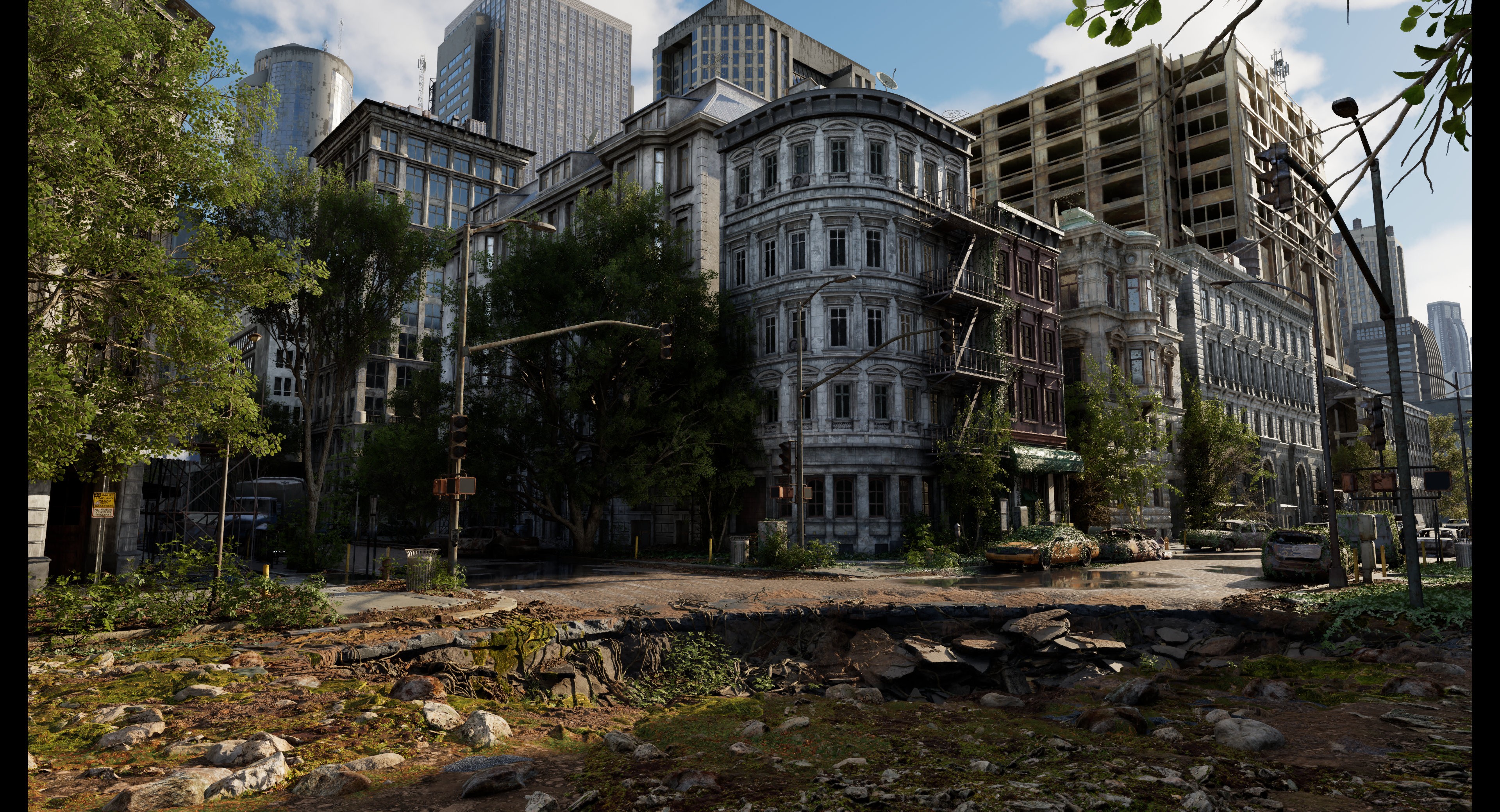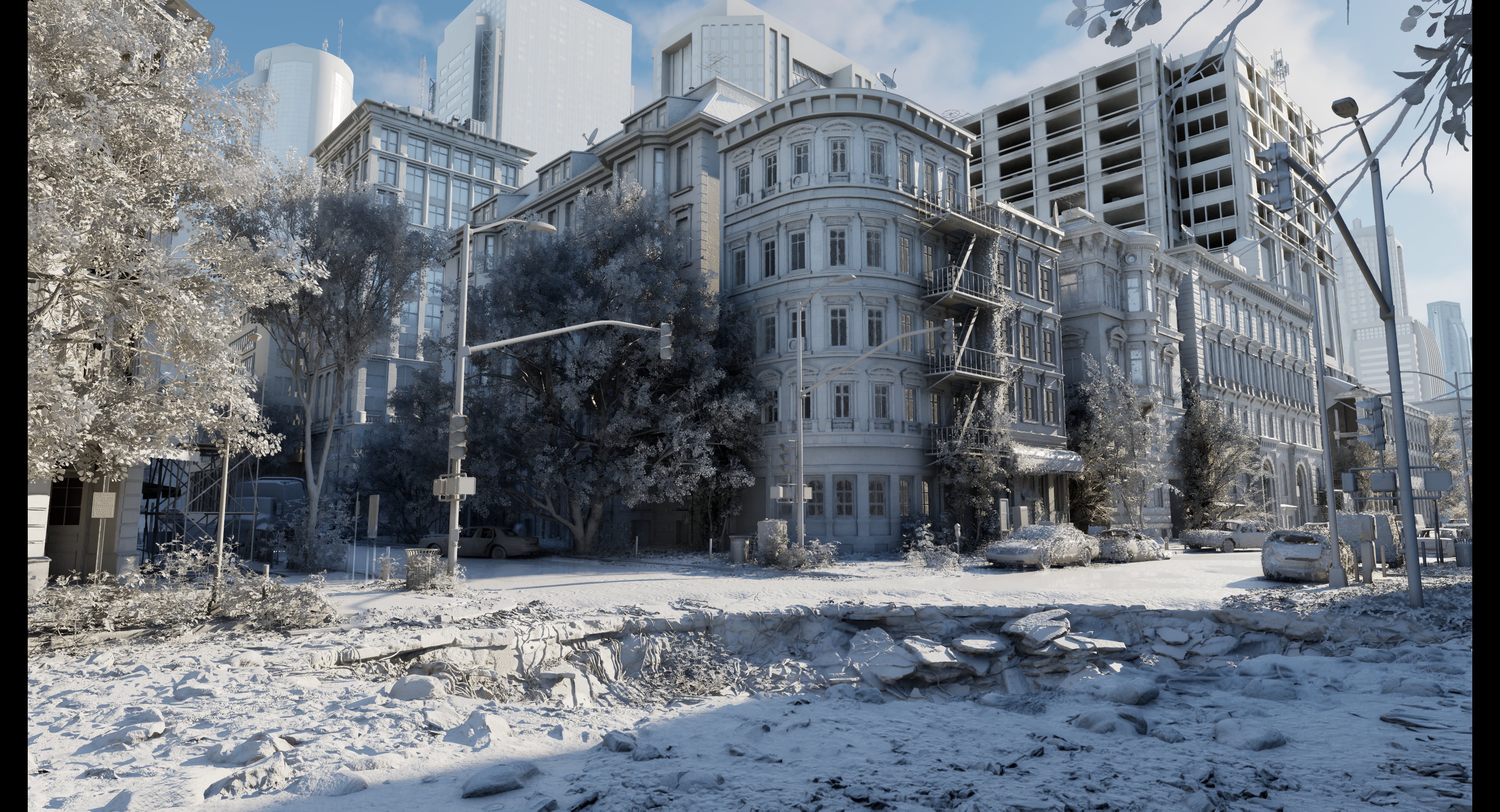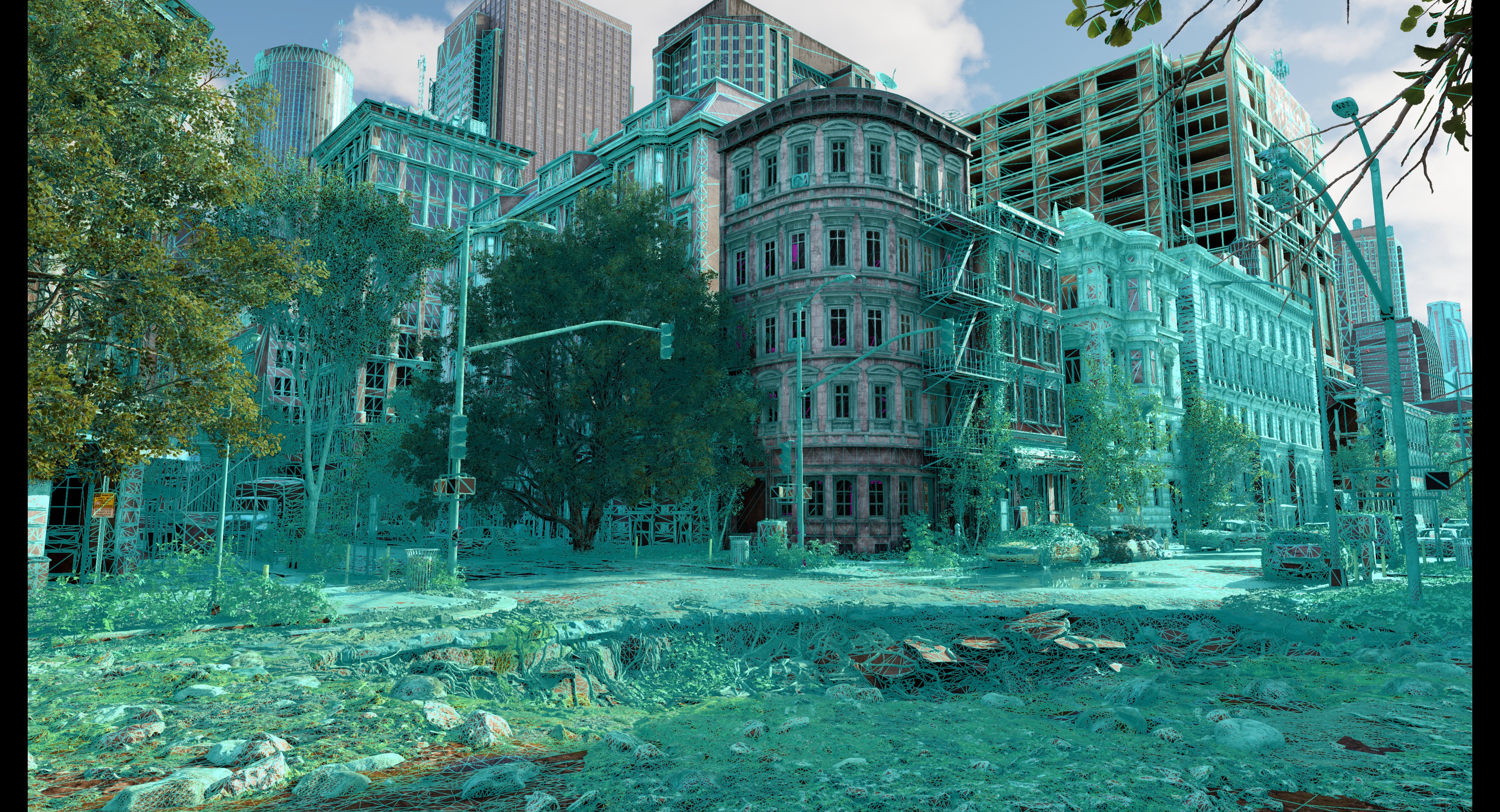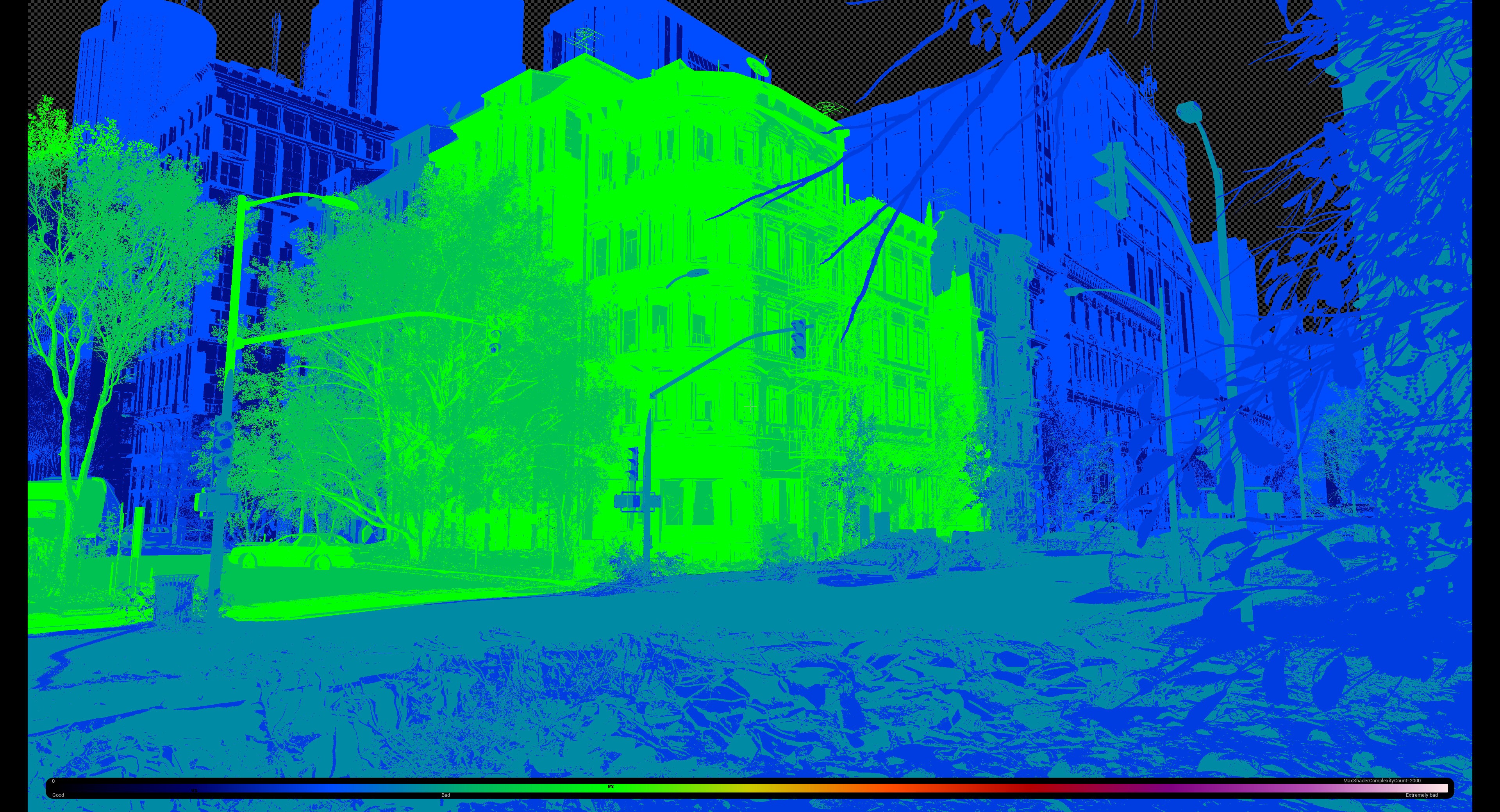
Overview
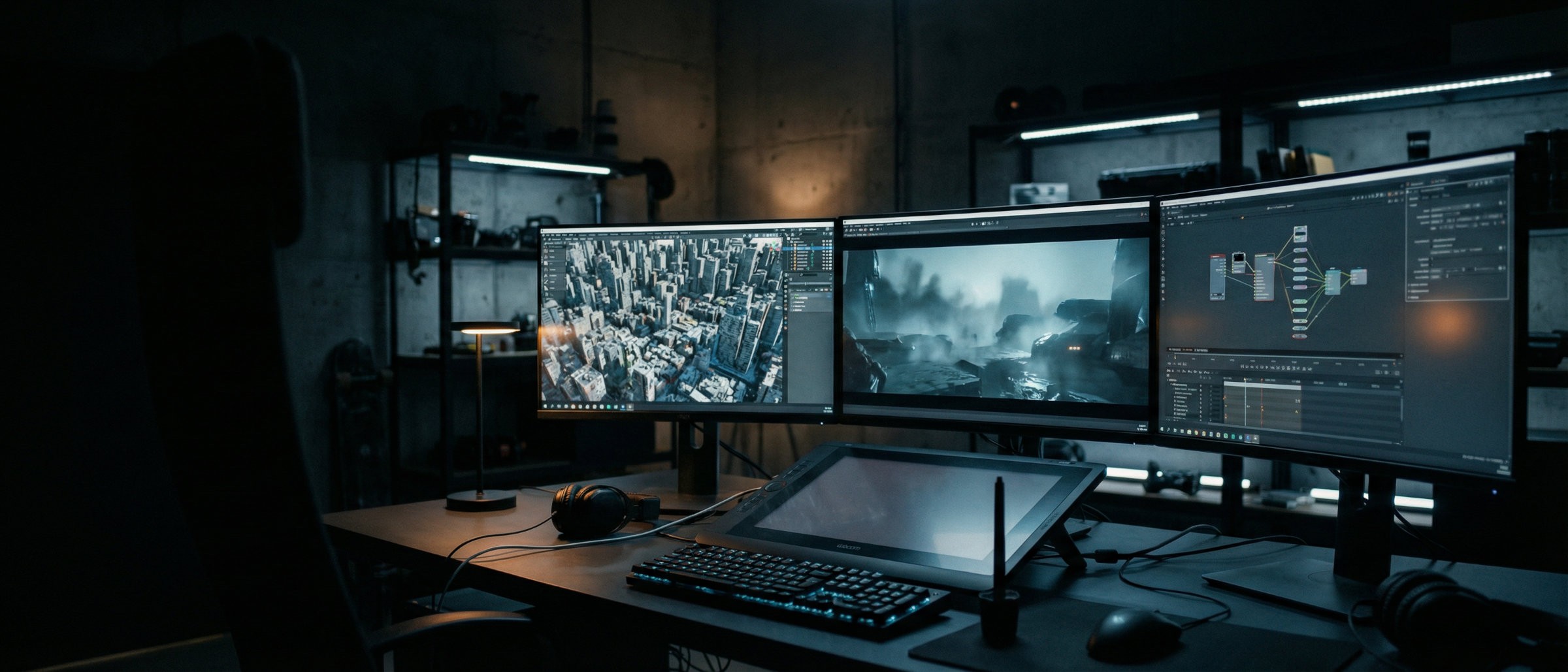
I help teams move from offline-style visuals to production-ready real-time content, with clear performance targets, clean organization, and an engine-first mindset. Whether the end goal is a game level, virtual production stage, previs, or a real-time review build, I focus on speed, stability, and consistent visual quality.
What you get
Engine-ready assets and environments (Unreal-focused, pipeline-friendly)
Performance-aware look development (materials, lighting, LODs, streaming)
A workflow your team can maintain (naming, structure, documentation)
What this service covers
Real-time workflow services focus on building engine-ready assets, materials, lighting, and level structure around real production constraints such as draw calls, shader complexity, memory budgets, streaming behavior, and iteration speed. I design scenes that hold up in close review while performing reliably within target platform limits.
This is especially valuable when a project begins as VFX-style look development and needs to transition into a game-ready or engine-ready deliverable without breaking under performance constraints.
Targets + Constraints
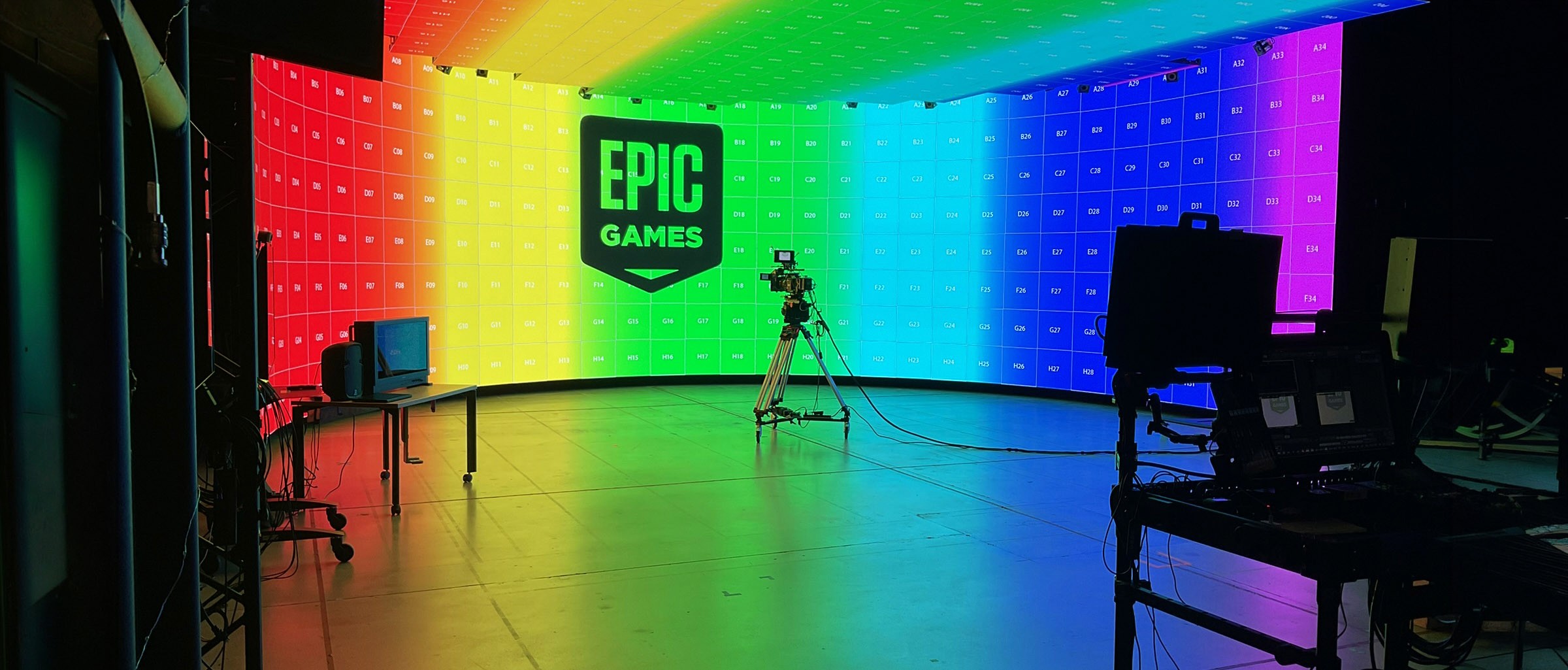
Platform target (PC/console/VR/LED volume) and performance budget
Art direction references and quality bar
Definition of “done” for the build (playable level, review build, VP stage-ready, etc.)
Engine Setup + Structure
Project organization, naming conventions, content structure
Level/streaming strategy (sublevels, world partition, data layers as needed)
Lighting approach (baked vs dynamic, Lumen strategy, exposure pipeline)
Asset and Material Integration
Import standards, pivots, scale, collision rules
Master materials and instance workflow
Texture budgets, channel packing, and consistency checks
Performance Pass
LODs and HLODs (when appropriate)
Shader complexity cleanup and material consolidation
Profiling and fixes (CPU/GPU, memory, streaming hitches)
Delivery + Handoff
Clean engine project or packaged build
Documentation for conventions and maintenance
Optional knowledge transfer session with your team
Typical Engagements
Unreal environment builds for games and interactive experiences
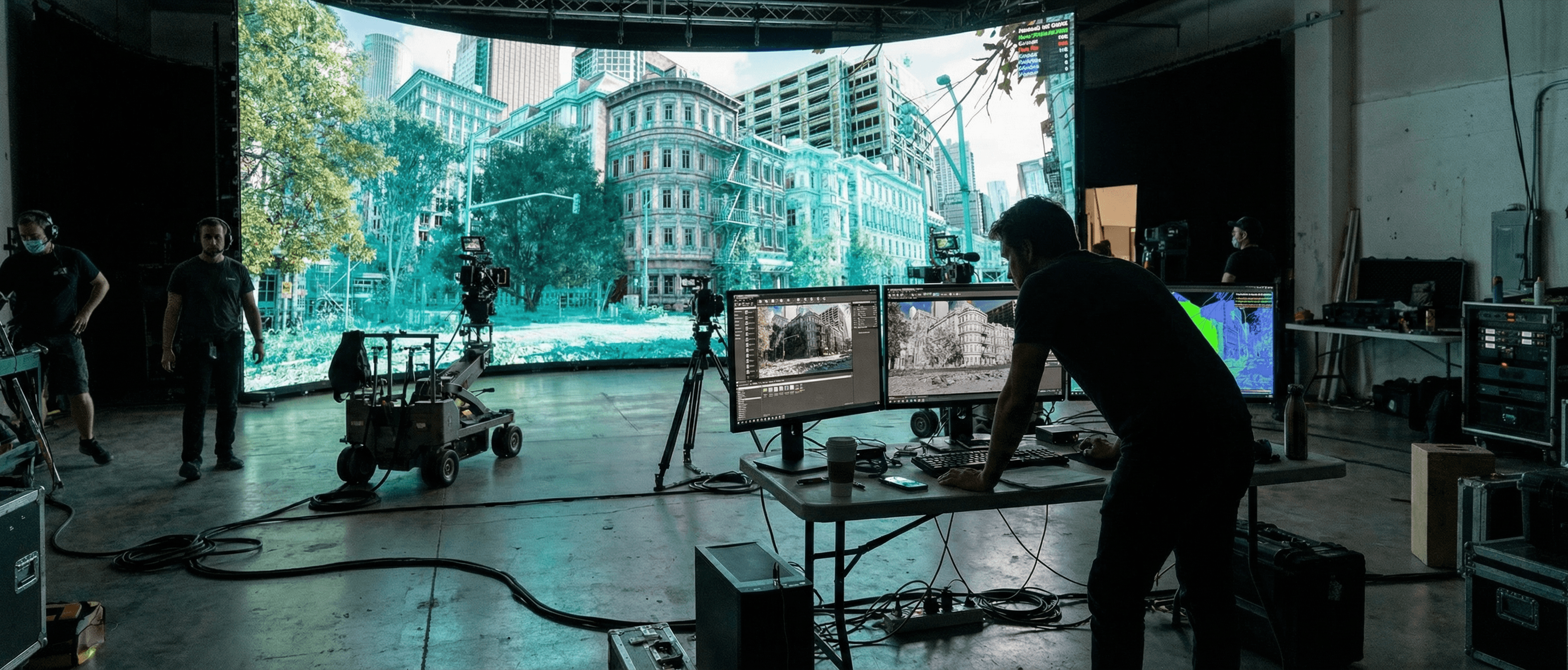
Virtual Art Department real-time scene assembly for virtual production
Previs/techvis real-time layouts with lighting and camera-ready staging
Performance optimization passes on existing Unreal levels (profiling + fixes)
Material pipeline setup (master materials, instancing strategy, texture standards)
Asset integration standards (scale, pivots, collisions, LOD rules, naming)
“Offline to real-time” conversion: bringing high-end assets into engine responsibly
Real-time review builds for stakeholders (clean organization + stable playback)
Deliverables (what clients can expect)
Unreal project organized for handoff (content folders, naming, level structure)
Engine-ready assets with collisions, LODs, and texture budgets where needed
Materials and lighting that match the agreed quality target
Performance notes and optimization summary (what changed and why)
Optional packaged build for review or internal approval