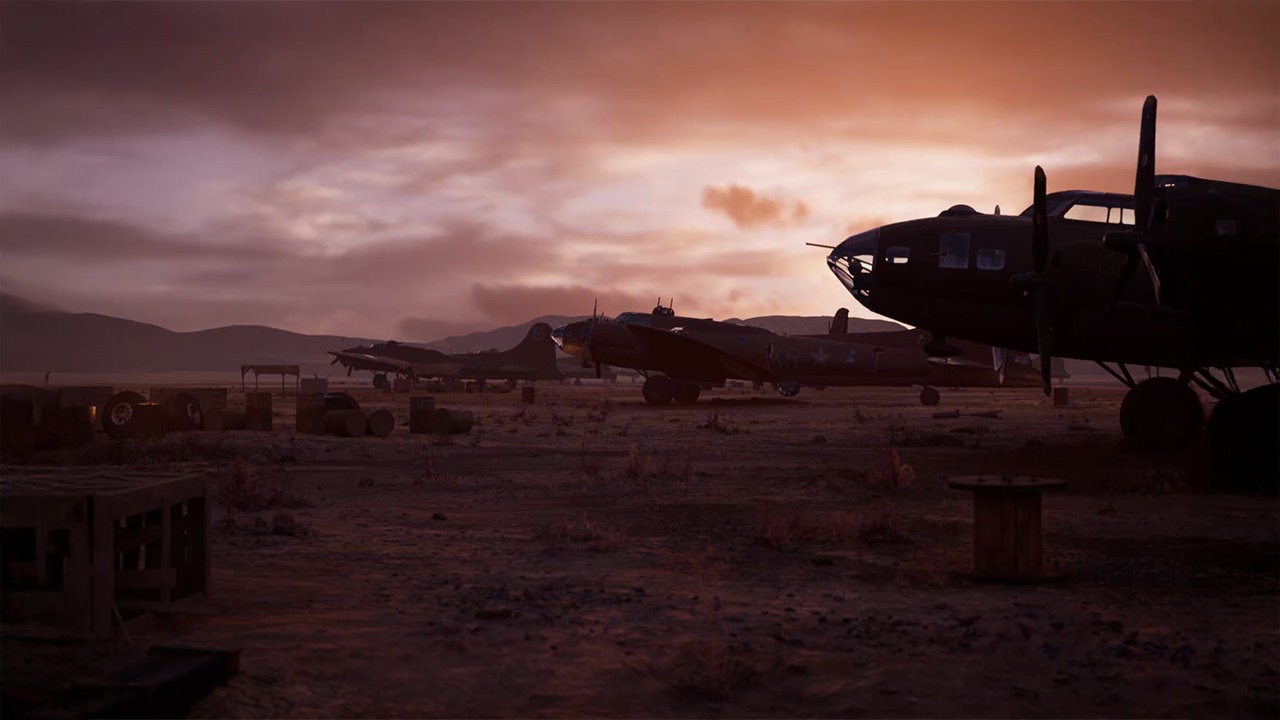
• Virtual Art DePARTMENT Supervision | Hands-on Env Build
• Look Development | Layout | Asset dev
Tools & Pipeline
Unreal Engine 5.7
Substance Painter
GAEA
Houdini
Maya
Megascans / photogrammetry assets
Custom material Material Blends
VP-optimized layout and set dressing workflows
Project Overview
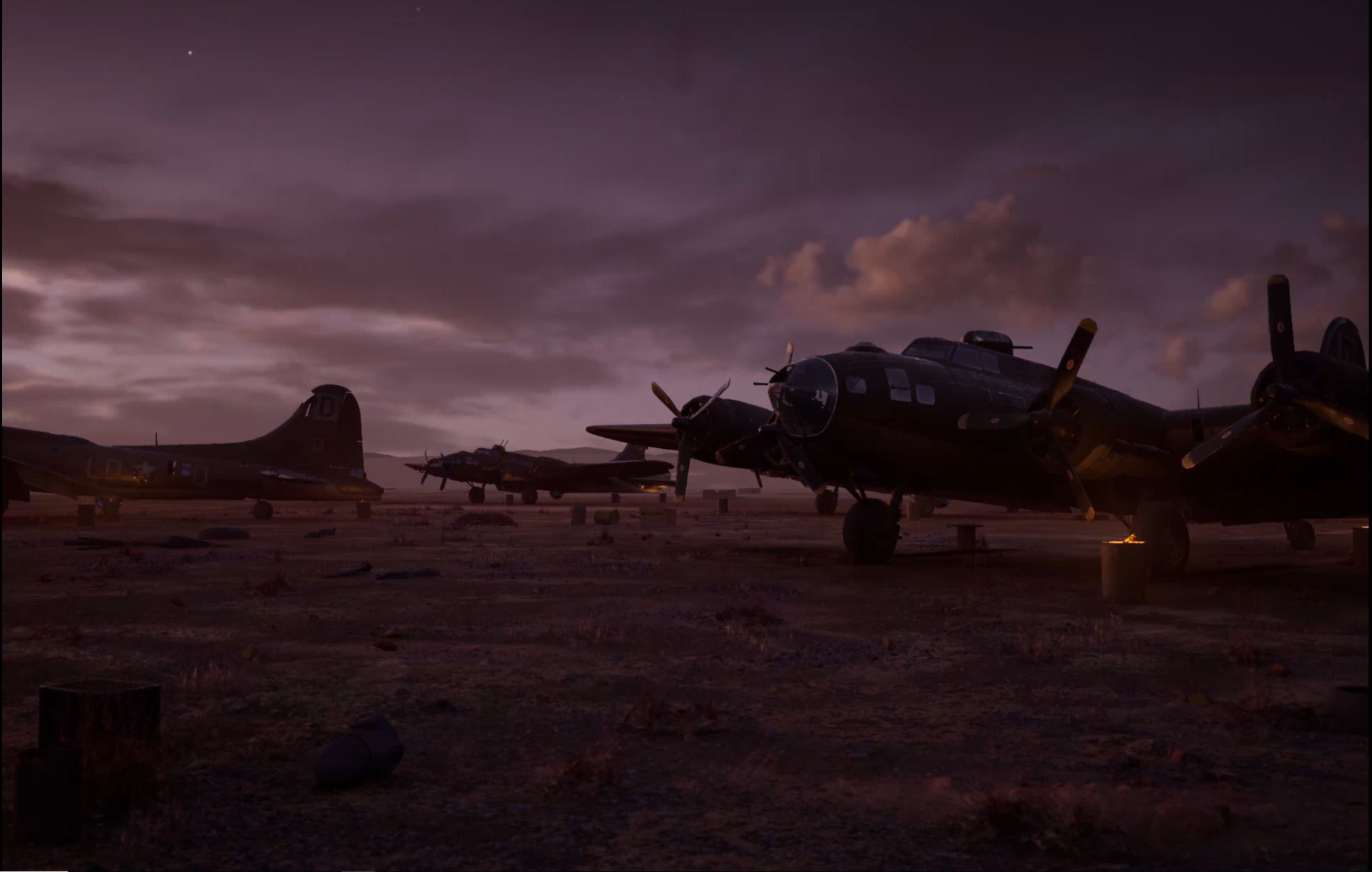
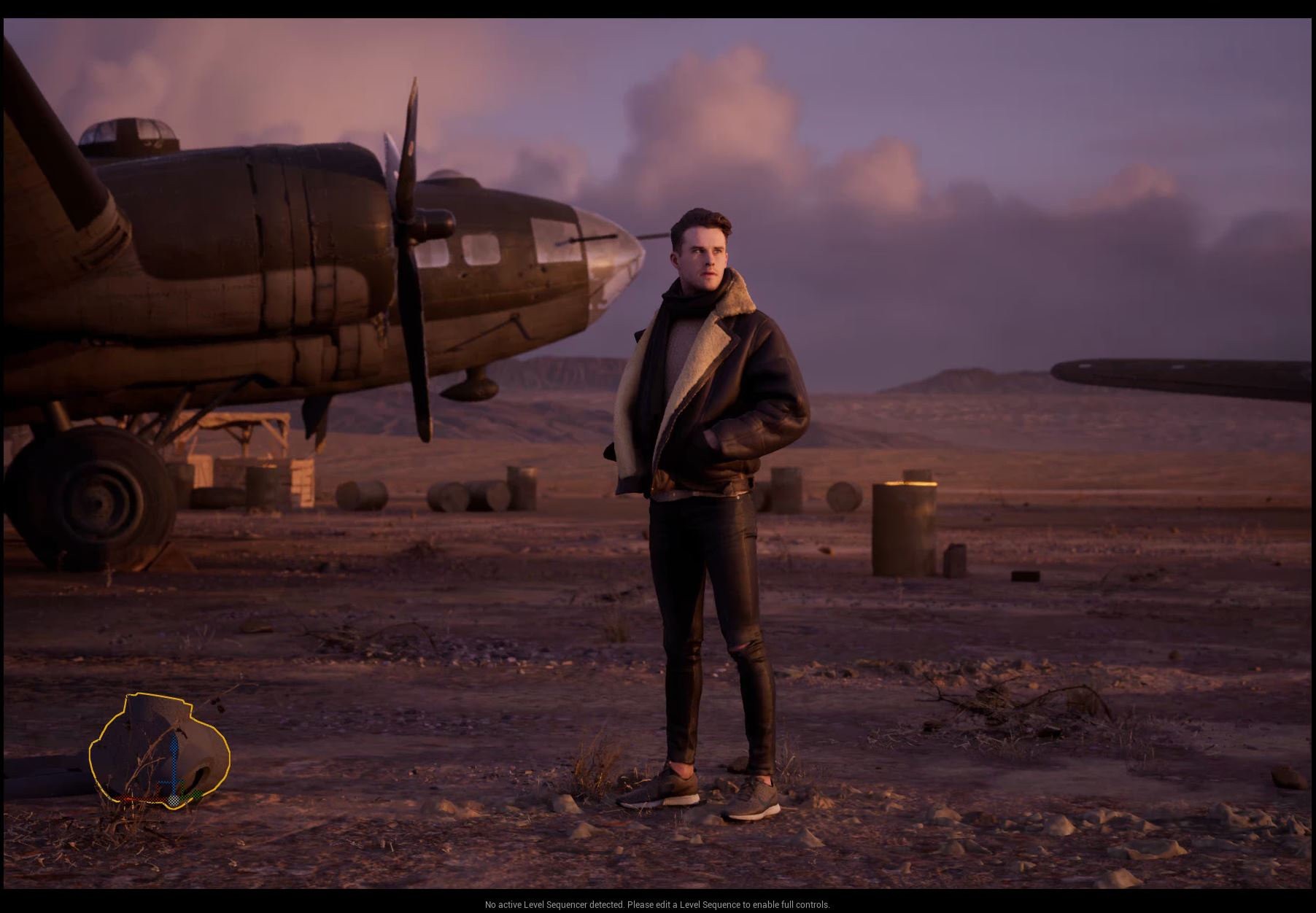
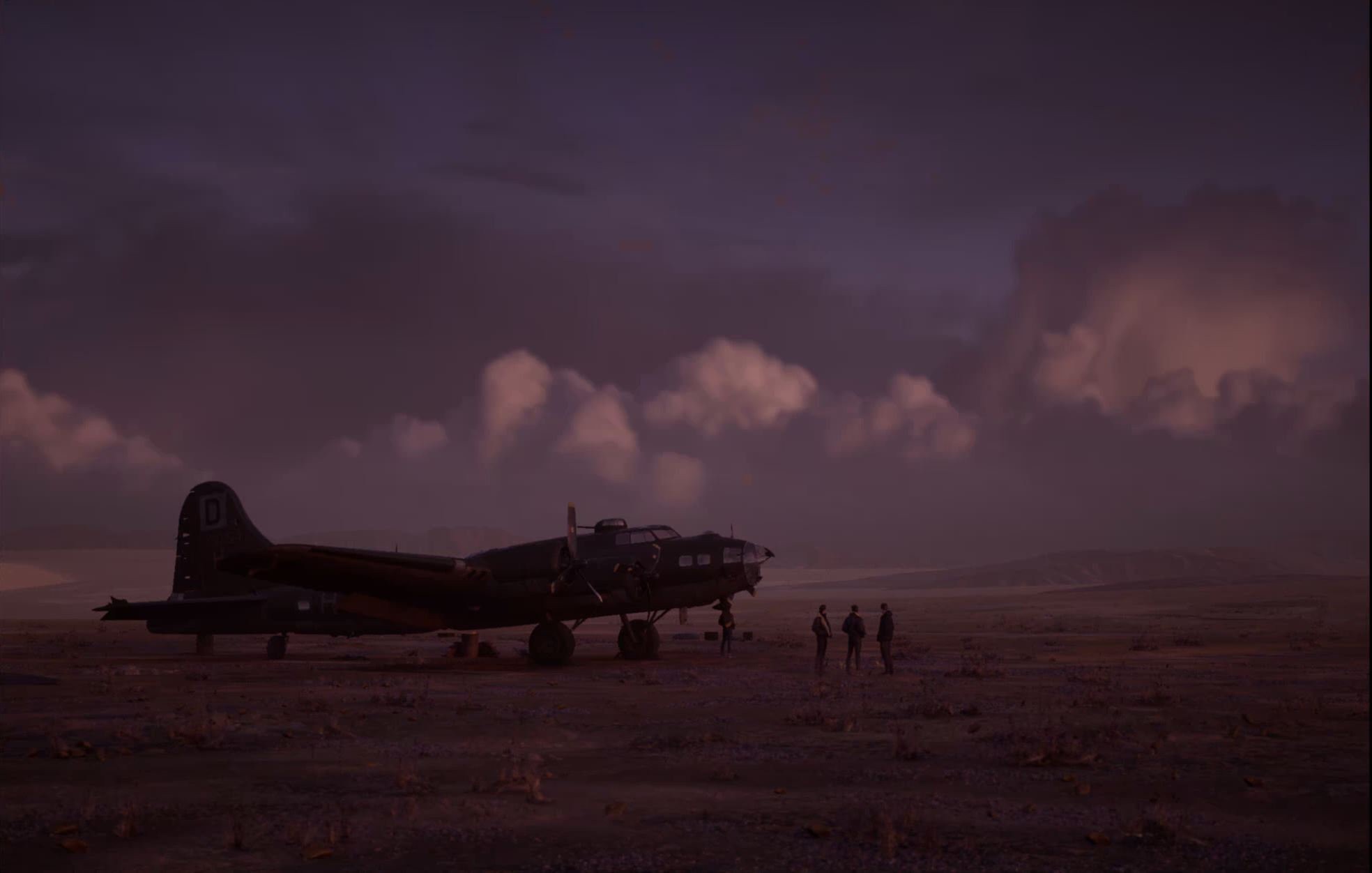
As Virtual Art Department Supervisor at DNEG on Masters of the Air (Apple TV+), I led the development of high-fidelity digital aircraft assets and supporting environments for on-set LED volume shoots. These sequences recreated Tafaraoui Airfield in Algeria during the North African campaign of 1943, a key staging point for the U.S. Eighth Air Force prior to deployment in the European theater.
The work focused on achieving historically grounded realism at full production scale, ensuring digital elements could integrate seamlessly with practical sets and full-scale aircraft builds while holding up to cinematic scrutiny in real-time.
Production Goals
The virtual production environments developed for Masters of the Air were built to support historically grounded in-camera cinematography at full production scale. The work centered on recreating Tafaraoui Airfield as an operational military setting, allowing digital aircraft assets, practical set builds, and environmental extensions to function as a unified visual space.
These environments were conceived to meet the practical demands of episodic production, supporting shot design, performance context, and lighting continuity across both physical and digital elements.
The core objective was to ensure that the digital environment could withstand cinematic scrutiny while maintaining the historical specificity required for a World War II narrative.
On-Set Execution
During virtual production shoots, I collaborated closely with cross-department teams to evaluate how the digital airfield environment and aircraft assets translated through the camera and within the LED volume.
Key areas of focus included:
• Real-time lighting interaction between digital environments and practical set elements
• Aircraft readability and scale perception under production lighting conditions
• Layout refinement to support shot composition and staging flexibility
• Real-time performance optimization for stable playback during principal photography
• Integration of creative feedback from production leadership
Observations gathered during on-set evaluation were communicated back to the wider VAD and asset teams. This process enabled rapid iteration and ensured alignment between technical execution, artistic direction, and production requirements.
Asset Development & Historical Fidelity
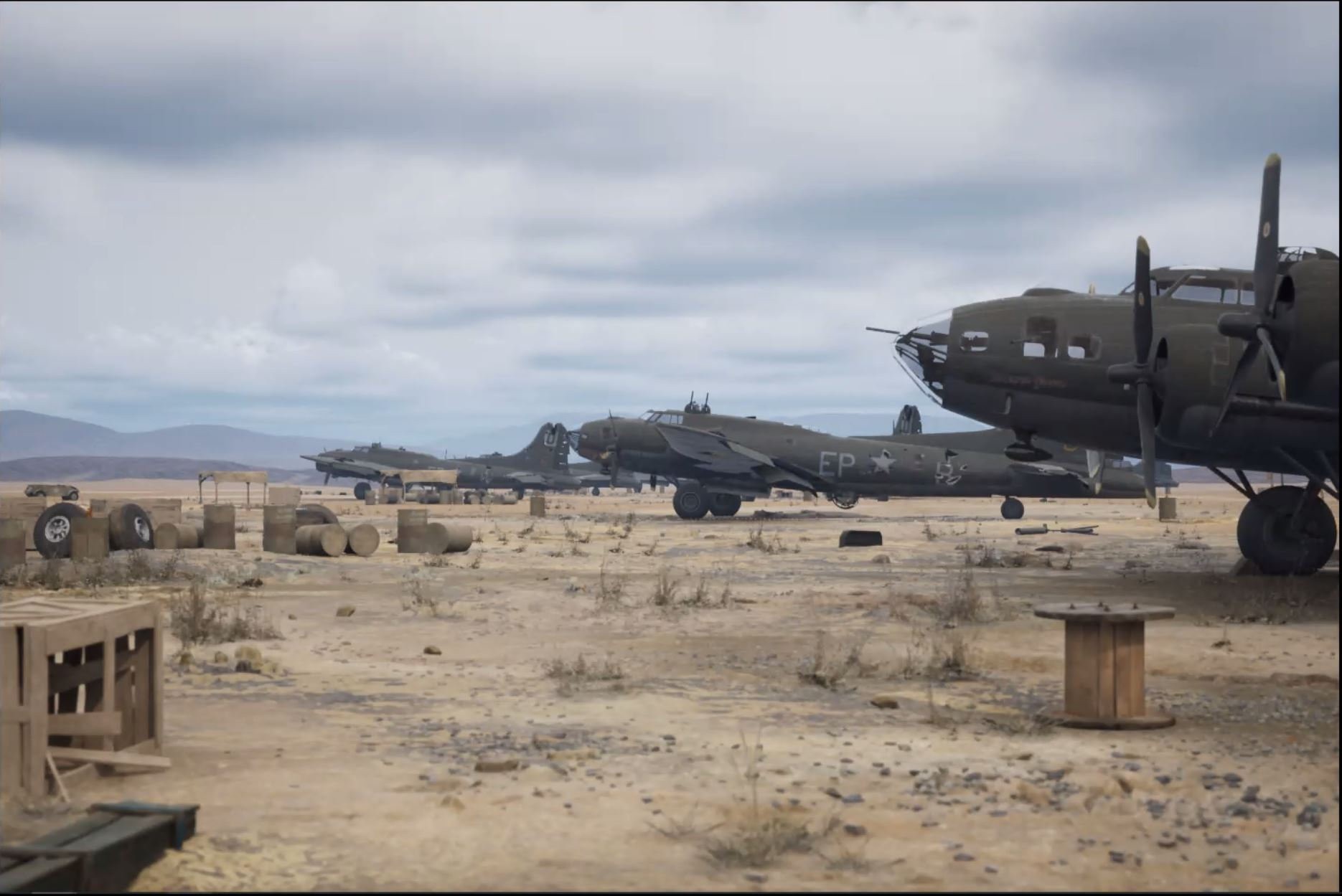
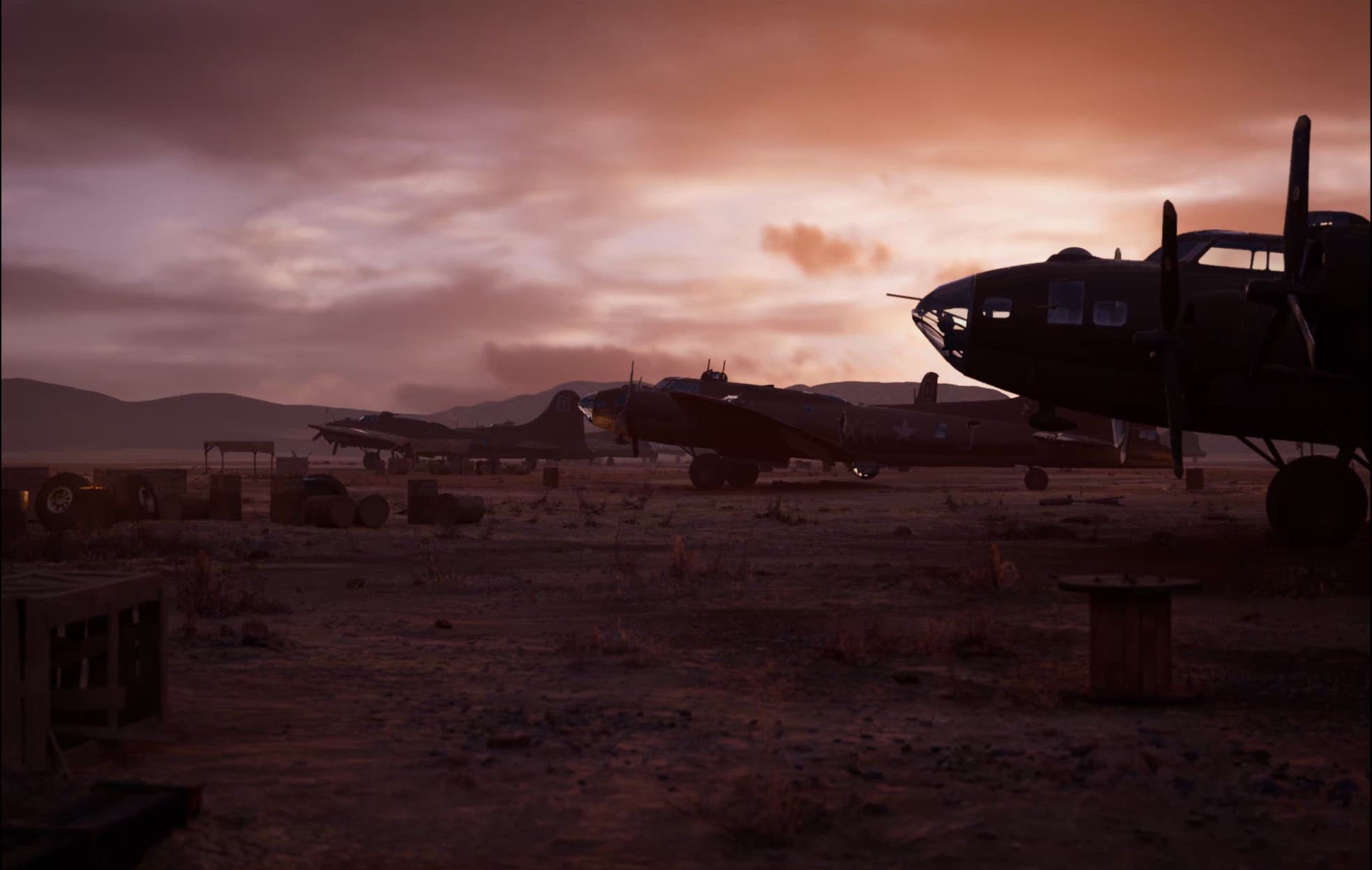
The digital B-17 fleet was constructed with a level of specificity driven by archival research and production requirements.
Details such as:
Battle damage patterns
Squadron markings and paint wear
Aircraft-specific identifiers
Operational wear from desert deployment
were informed by mission flight logs, historical photography, aircrew accounts, and after-action documentation.
This approach ensured that each aircraft asset functioned not only as a visual component, but as part of a historically coherent operational environment.
Virtual Production Integration
Built for real-time playback in Unreal Engine, the environments enabled:
Seamless alignment with physical set builds
Accurate scale perception for cinematography
Interactive lighting response within the LED volume
Immersive contextual grounding for cast performance
The resulting workflows supported in-camera visual effects strategies, reducing reliance on post-production reconstruction while maintaining the visual authenticity required for a large-scale historical drama.
Role & Contributions
Virtual Art Department supervision across asset and environment development
Direct hands-on contribution to aircraft asset creation and refinement
Modularity planning for production usability and shot adaptability
Coordination between environment, asset, and on-set VP teams
Oversight of real-time performance readiness for LED volume deployment